Real-time casino gaming has become one of the most important developments in the modern gaming industry. Over the past two decades, technological advancements have transformed online gaming from simple automated systems into highly interactive and immersive experiences. Today, players can participate in live-streamed games, interact with real dealers, and enjoy real-time communication from almost anywhere in the world.
The growth of real-time casino gaming reflects changing player expectations. Early online platforms focused mainly on convenience and accessibility, but many users still missed the atmosphere and social interaction associated with traditional gaming environments. Real-time technology helped bridge this gap by introducing live video, human interaction, and instant communication into online gaming.
As internet speeds improved and digital technology became more advanced, real-time gaming evolved rapidly. It now combines entertainment, broadcasting, communication, and interactive technology to create experiences that feel increasingly realistic and engaging.
The Early Days of Online Casino Gaming
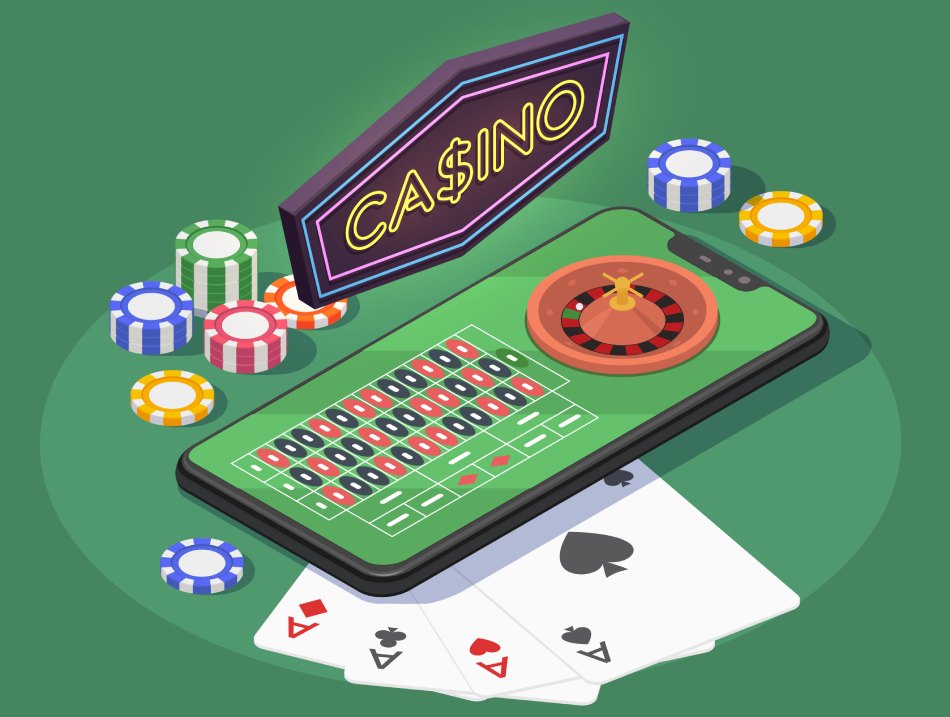
In the early stages of online gaming, most casino games relied entirely on computer-generated systems. Players interacted with digital graphics and automated software that determined outcomes through programmed systems.
These early games offered important advantages such as convenience and accessibility. People could participate from home without traveling to physical venues. However, the experience often felt limited compared to traditional gaming environments.
Many players missed the social atmosphere, human interaction, and emotional energy found in physical table games. Automated systems functioned efficiently, but they lacked the realism and personality associated with live experiences.
At the time, internet technology also limited what online platforms could offer. Video streaming was slower, less stable, and less widely accessible than it is today. As a result, real-time interaction remained difficult during the early years of online gaming.
Despite these limitations, the growing popularity of digital entertainment encouraged companies to continue exploring more interactive solutions.
Improvements in Internet Technology Changed Everything
One of the biggest reasons real-time casino gaming grew so rapidly was the improvement of internet infrastructure worldwide.
High-speed broadband connections allowed larger amounts of data to travel more efficiently. This made smooth video streaming and real-time communication possible for a much wider audience.
Earlier internet systems often struggled with delays, buffering, and poor image quality. Real-time gaming requires stable connections because video, audio, and player interactions must all happen simultaneously.
As internet speeds improved, platforms gained the ability to stream live gameplay smoothly with high-definition visuals and minimal delays.
Mobile internet technology also expanded rapidly. Smartphones and tablets allowed players to access live games from almost anywhere, increasing convenience and flexibility.
The combination of broadband growth and mobile connectivity created the foundation for modern real-time casino gaming.
Live Dealer Systems Became a Major Innovation
The introduction of live dealer systems marked a major turning point in online gaming. Instead of relying entirely on software-generated gameplay, platforms began offering games hosted by real human dealers through live video streams.
Players could now watch dealers shuffle cards, spin wheels, and manage gameplay in real time while participating remotely through digital interfaces.
This innovation changed how many people viewed online gaming. The presence of human dealers added realism, transparency, and social interaction that earlier automated systems lacked.
Live dealer games also helped increase trust because players could directly observe gameplay as it happened. Seeing real equipment and real people created stronger confidence in the authenticity of the experience.
These systems successfully combined the convenience of online access with many elements traditionally associated with physical gaming environments.
The popularity of live dealers became one of the driving forces behind the broader growth of real-time gaming.
Real-Time Interaction Increased Player Engagement
One reason real-time casino gaming became so successful is that it created stronger emotional engagement.
Players no longer interacted only with software systems. They could communicate with dealers, respond to live events, and participate in shared experiences with other players.
Real-time interaction made gameplay feel more dynamic and unpredictable. Human communication introduced personality and variation that automated systems often lacked.
The ability to react instantly during gameplay increased immersion and excitement. Watching real events unfold naturally creates emotional tension and anticipation in ways that differ from purely digital animations.
Social interaction also became an important part of the experience. Live chat systems allowed players to communicate during gameplay, helping online environments feel less isolated.
This emotional and social engagement played a major role in attracting players to real-time formats.
Professional Streaming Technology Improved Quality
The growth of real-time casino gaming depended heavily on advancements in streaming technology.
Modern platforms use high-definition cameras, multiple viewing angles, advanced lighting systems, and professional audio equipment to create broadcast-quality experiences.
These technologies allow players to observe gameplay clearly and follow every action in real time. Multiple camera angles provide close-up views of cards, wheels, and dealer actions, increasing realism and transparency.
Video compression systems also improved significantly, making it possible to stream high-quality video smoothly without excessive bandwidth requirements.
Adaptive streaming technology further enhanced accessibility by adjusting video quality based on internet speed.
As production standards improved, real-time gaming experiences became more visually polished and immersive, attracting larger audiences worldwide.
Mobile Gaming Expanded the Audience
The rise of smartphones and tablets dramatically increased the popularity of real-time gaming.
Mobile compatibility allowed players to join live-streamed games from different locations without relying on desktop computers. This flexibility made real-time gaming far more accessible to casual users and younger audiences.
Modern mobile interfaces are designed to support touch controls, smooth streaming, and real-time interaction even on smaller screens.
The convenience of mobile gaming fits modern lifestyles where people increasingly expect entertainment to be available instantly and anywhere.
Mobile access also expanded gaming participation globally by reaching users in regions where desktop gaming was less common.
Today, mobile devices represent one of the largest platforms for real-time gaming participation.
Social Features Became More Important
As real-time gaming evolved, social interaction became an increasingly important focus.
Many platforms introduced live chat systems, multiplayer features, and interactive communication tools that allowed players to engage socially during gameplay.
These social features helped recreate some of the atmosphere traditionally associated with physical gaming venues.
Players often enjoy shared reactions, casual conversation, and interaction with dealers while participating in games. This social environment creates emotional energy and variety that make sessions feel more entertaining.
The sense of community also encourages long-term engagement because players develop familiarity with recurring participants and dealers.
Social interaction transformed real-time gaming from a solitary activity into a more connected and shared experience.
Real-Time Gaming Increased Transparency

Transparency became another major advantage of real-time casino gaming.
Earlier automated systems relied heavily on invisible software processes, which sometimes caused skepticism among players unfamiliar with digital systems.
Real-time gaming addressed this concern by allowing users to observe physical gameplay directly through live video.
Watching cards shuffled by hand or wheels spinning naturally created stronger confidence in the fairness and authenticity of the games.
The visible nature of gameplay reduced psychological distance between players and the gaming process itself.
This transparency helped real-time systems appeal to players who preferred traditional gaming environments but wanted the convenience of online access.
Technology Continues Driving Innovation
Real-time gaming continues evolving as technology improves further.
Artificial intelligence is increasingly used to improve customer support, streaming quality, and operational efficiency. Cloud computing supports larger audiences and more stable performance across different regions.
Virtual reality and augmented reality technologies may eventually create even more immersive environments where players feel physically present within digital spaces.
Faster internet speeds and improved mobile networks will likely continue reducing delays and increasing video quality.
As these innovations develop, real-time gaming experiences may become even more interactive and realistic in the future.
However, the core appeal will likely remain centered on combining convenience with human interaction and live entertainment.
Real-Time Gaming Changed Player Expectations
The growth of real-time gaming also changed what players expect from online experiences.
Many users now seek more than simple automated gameplay. They expect realism, interaction, social engagement, and professional presentation.
This shift encouraged platforms to invest more heavily in streaming technology, studio design, customer interaction, and immersive features.
Real-time gaming raised industry standards by proving that online experiences could feel emotionally engaging and socially connected.
The demand for live interaction continues influencing how modern gaming platforms design their services.
Why Real-Time Casino Gaming Continues Growing
Real-time casino gaming continues growing because it successfully combines technology with human interaction. It offers the convenience of digital access while preserving many of the emotional and social qualities traditionally associated with physical gaming environments.
Live dealers, high-quality streaming, social communication, and real-time participation create experiences that feel more immersive and authentic than earlier automated systems.
Players increasingly value realism, transparency, and connection alongside entertainment. Real-time gaming responds to these preferences by making online environments feel more human and interactive.
As technology continues evolving, real-time gaming will likely remain one of the most important and influential areas of the online entertainment industry.
Its success demonstrates that while technology drives innovation, human interaction and shared experiences remain central to what people enjoy most in digital entertainment.